Frequently asked questions
How far ahead should I visit a Denver tailor for wedding clothing?
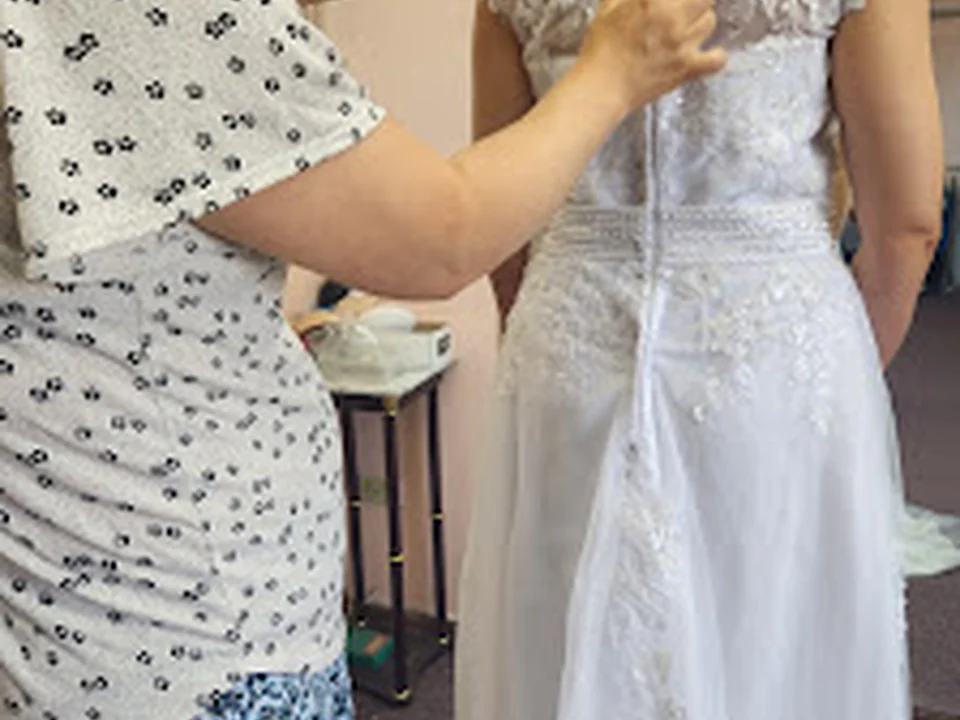
Start early enough to allow the initial fitting, alterations, and a final try-on before the event. Bring the complete outfit details and state the date at the first appointment so the tailor can explain the realistic schedule and any needed buffer.
Can a tailor help with a difficult-to-fit wardrobe?
Yes, tailoring can adapt selected garments when standard proportions do not work well. Bring representative pieces and explain the recurring fit problem, such as sleeve, shoulder, waist, or length issues, so the tailor can assess what is structurally possible.
What is the difference between custom and alteration work?
Alterations modify an existing garment, while custom work begins with measurements and design choices for a new shirt or suit. Ask which route suits your goal, body proportions, fabric preferences, and deadline before deciding.
Should I schedule a final fitting before collecting formalwear?
A final fitting is useful for confirming comfort, balance, and movement in the completed garment. Wear the shoes and clothing layers intended for the event, then raise any pulling, bunching, or length concerns before taking the piece home.
 #1