Frequently asked questions
How do I know which Denver recycling center accepts my items?
Start with a precise inventory rather than describing everything as household recycling. Separate metal, electronics, cardboard, appliances, vehicle parts, and business equipment, then confirm each category before loading.
Ask about contamination, quantity limits, preparation, and whether mixed loads are accepted at the same intake point.
Can recycling centers take large commercial scrap loads?
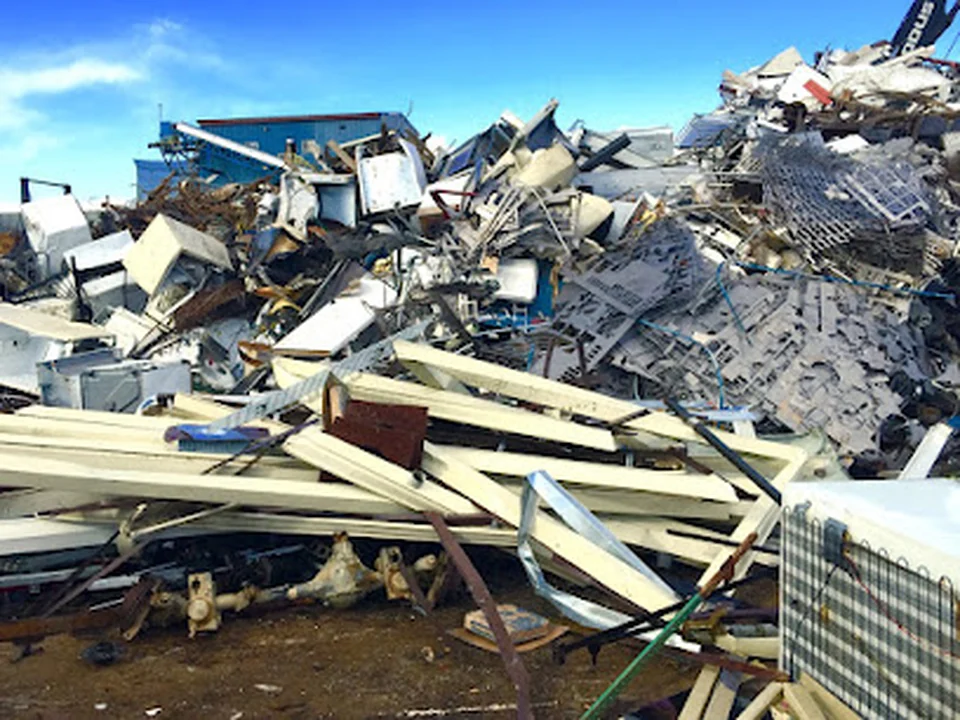
Some facilities are equipped for commercial scrap, while others are better suited to household drop-offs. Provide the approximate material type, weight, volume, and vehicle used for delivery.
The center can then explain unloading arrangements, sorting expectations, and whether pickup or scheduled intake is more appropriate.
What should I do with old computers and electronics?
Keep electronics separate and ask specifically about computers, monitors, storage devices, cables, and business equipment. Different items may follow different handling routes.
If the equipment contains sensitive information, confirm the data-disposal method and request documentation if your organization needs a record of responsible processing.
Can I recycle a vehicle or vehicle parts?
Vehicle and parts acceptance depends on the center’s equipment, paperwork requirements, and preparation rules. Ask what identification or ownership documents are needed and whether fluids, batteries, or nonmetal components must be removed.
Also confirm whether the service includes pickup or requires you to deliver the vehicle.
How should I prepare cardboard from a move?
Flatten boxes, remove packing materials and obvious contamination, and keep cardboard separate from other recyclables unless the center gives different instructions. Wet or heavily soiled material may not be accepted.
Before driving over, ask about the drop-off format, load size, and whether residential cardboard is handled at that location.
 #1