Frequently asked questions
What should I bring to a neurosurgery consultation?
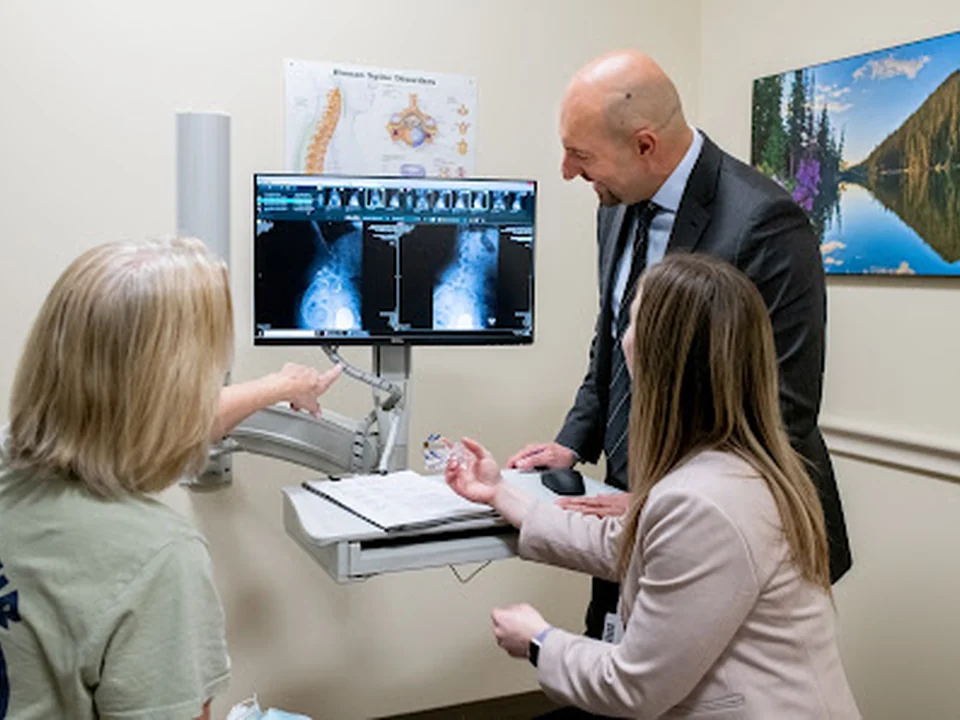
Bring a current medication list, relevant medical history, and any imaging or reports you already have. Ask the office in advance whether records must be sent electronically or whether the team can obtain them directly.
A short timeline of symptoms and previous treatments can also help keep the discussion focused.
Do all neurosurgeons handle the same conditions?
No. Some practices emphasize spine surgery, while others address brain conditions, Chiari concerns, tremor, facial pain, or a broader mix of brain and spine disorders.
Describe the diagnosis or symptoms when scheduling and ask whether the clinician routinely evaluates that specific issue.
Should I seek a second neurosurgical opinion?
A second opinion can be useful when surgery has been proposed, the diagnosis is complex, or more than one treatment path is reasonable. Take your imaging and prior notes so the next clinician can review the same information.
Ask both offices to explain the expected benefits, risks, alternatives, and consequences of waiting.
How can I tell whether an appointment is urgent?
Ask a medical professional rather than relying on appointment availability alone. Sudden weakness, severe new headache, confusion, seizures, loss of coordination, or rapidly worsening neurological symptoms may require immediate medical attention.
For ongoing symptoms without those warning signs, explain the change in detail when requesting an appointment.
What questions should I ask about spine surgery?
Ask what finding is causing the symptoms, what the proposed procedure would address, and which nonsurgical options remain. It is also useful to discuss recovery milestones, restrictions, follow-up visits, and how complications would be handled.
Request plain-language explanations if any part of the plan is unclear.
 #1