Frequently asked questions
What is a good starting point for a child learning music?
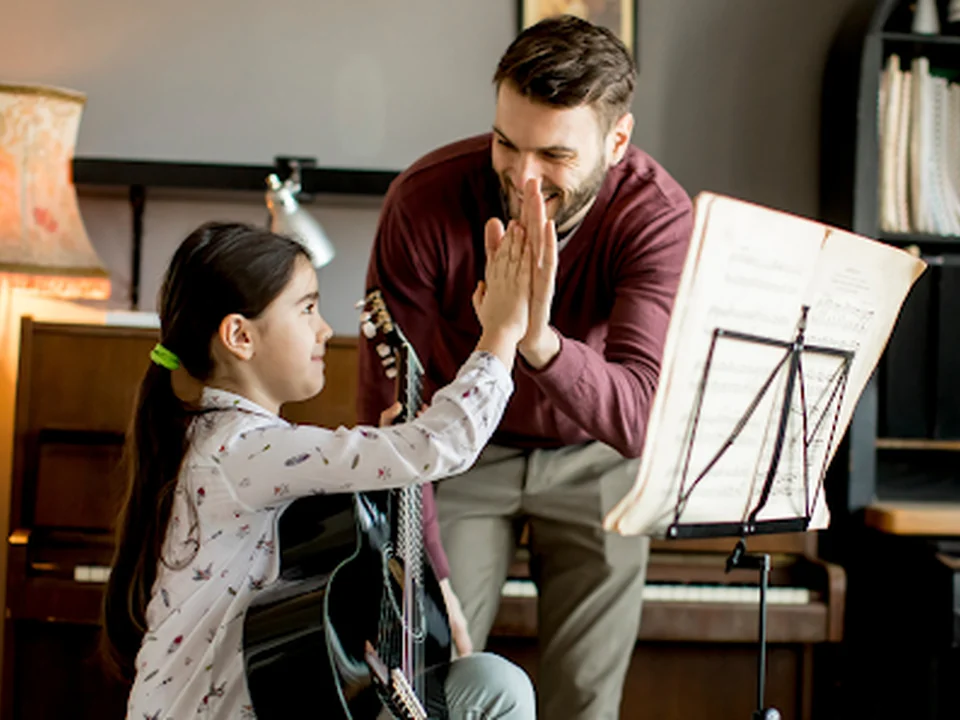
Begin with the child’s interest, attention span, and preferred style rather than choosing an instrument solely by age. Ask whether the school has beginner pathways, patient instruction, and opportunities to try an instrument before making a longer commitment.
Clarify how parents receive progress updates and what practice is expected at home.
Can adults begin music lessons without prior experience?
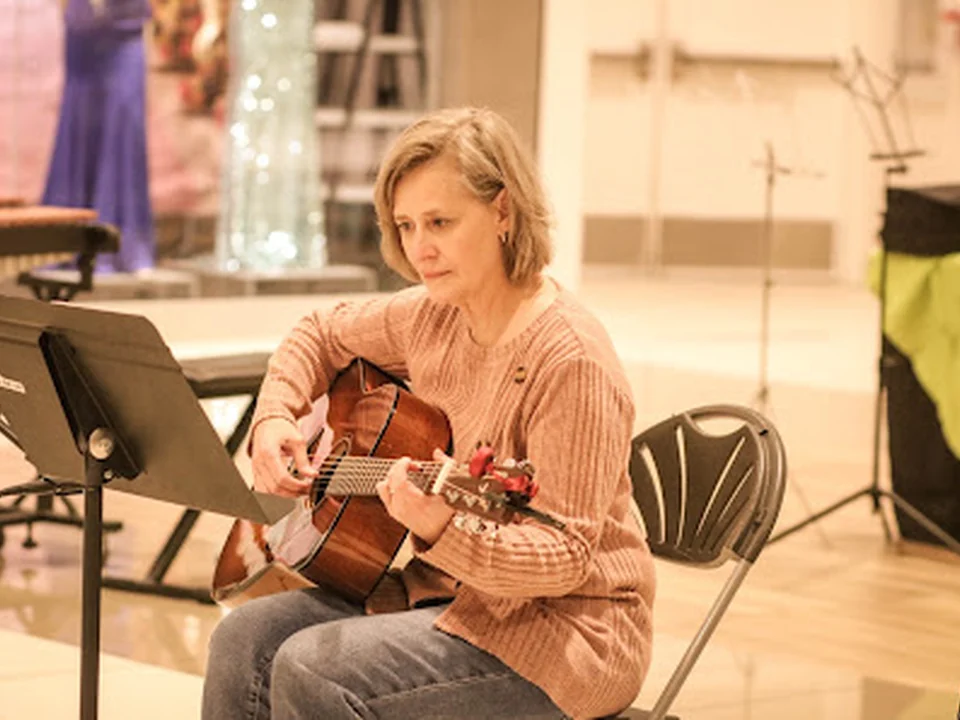
Yes, many programs work with adults starting from the beginning or returning after years away. Tell the instructor whether you want relaxed learning, a specific repertoire, playing with others, or a structured technical path.
Ask how lessons are adapted around work, family commitments, and realistic practice time.
How important is ensemble experience for a young performer?
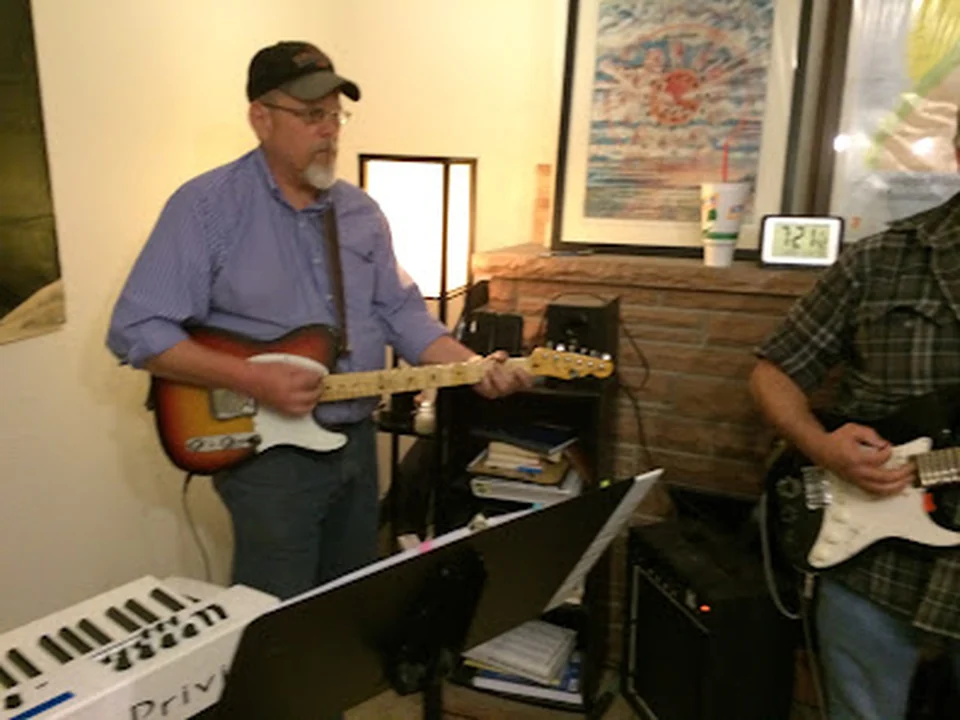
Playing with others develops listening, timing, communication, and confidence that individual practice cannot fully reproduce. If performance is a goal, ask how soon students can join an ensemble and how parts are assigned to different skill levels.
Also confirm rehearsal frequency and whether performances are optional or built into the program.
Are month-to-month music lessons a useful option?
They can suit students testing an instrument, families managing changing schedules, or adults unsure about a long-term commitment. Before enrolling, confirm the lesson frequency, cancellation terms, instrument expectations, and how continuity is maintained.
A flexible plan is most useful when the teaching objectives remain clear from one month to the next.
 #1