Frequently asked questions
What should I do before a restoration company arrives?
If it is safe, stop the water source, avoid electrical hazards, and move people away from contaminated or unstable areas. Photograph the damage without disturbing materials, then ask the company what access, documents, or immediate precautions it needs before the visit.
Can one company handle cleanup and reconstruction?
Some providers connect water extraction and cleanup with later repairs or rebuilding, while others focus on the first response. Ask whether one team manages both phases, which work is subcontracted, and how responsibility transfers from drying to reconstruction.
How is sewage damage different from a regular water leak?
Sewage incidents involve contamination as well as moisture, so the response may require controlled removal, protective measures, specialized cleaning, and decisions about affected materials. Confirm that the company handles sewage specifically rather than treating the job as ordinary water extraction.
What should businesses ask about commercial restoration?
Ask how the provider handles larger areas, multiple occupants, restricted access, documentation, and work that must be staged around business operations. Clarify who coordinates with managers, how updates are delivered, and whether the scope includes cleanup, drying, repairs, or reconstruction.
When should mold-related remediation be discussed?
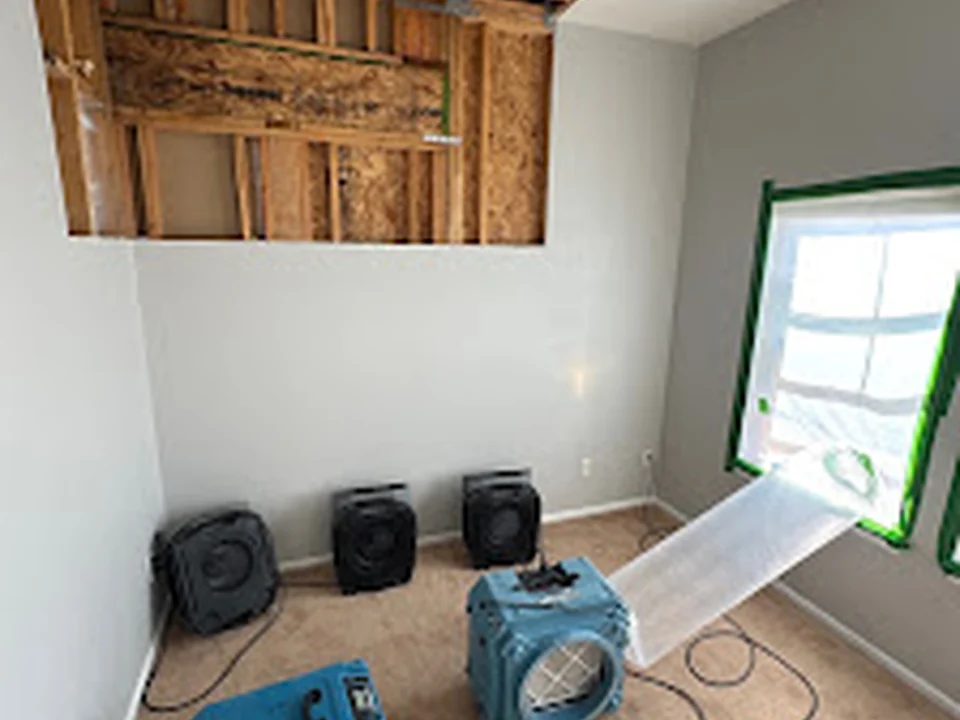
Raise mold concerns when moisture has remained, materials smell musty, or visible growth appears after a leak or flood. Ask how the moisture source will be addressed, what materials may need removal, and whether the proposed work covers cleaning and follow-up checks.
 #1